

Cart
0
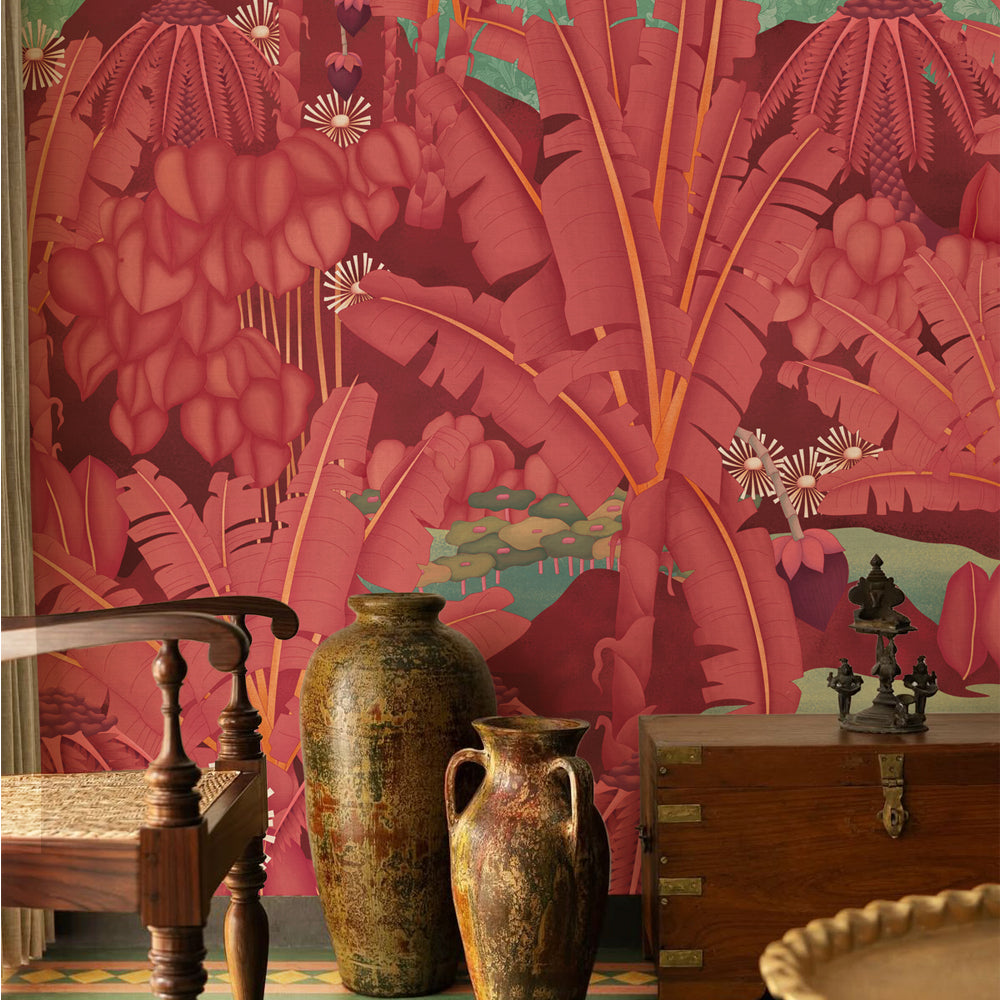
Wallpaper for walls is a convenient way to give your room a new look. It is beautiful, decorative, and can be used to highlight some of the room’s surfaces. In addition, there is a wide variety of options that will suit any interior. It is possible to find a wallpaper of different shapes, sizes, and colors, using a huge selection available nowadays. Any home space can be transformed with these decorating tools, making it more comfortable and luxurious. This product is usually made of materials that are highly durable and do not require special maintenance. As a consequence, you will maximize the effect of transformation, receiving unique and exquisite details in your home.
1. What do wallpapers mean in Indian interior design?
Wallpapers are elegant wall decorations that can transform a home’s look without extensive renovations. They have become a popular interior design choice in India, offering a quick and effective way to refresh spaces, mask minor imperfections, and complement a wide range of decorative styles - from traditional Indian prints to contemporary global patterns. Nowadays, Indian wallpaper manufacturers provide an opportunity to meet any taste and reflect individuality, cultural inspiration, and unique personality. So, if you want to make your room look charming and attractive, you should think about shop wallpaper for walls.
2. Earliest forms of “wallpaper-like” decoration in Indian history
Although Indian printed European wallpapers have been invented later, the tradition of decorating walls with art and narrative has a very old history in this country.
Ajanta and Ellora (the second century BC and later): The exquisite frescoes of Ajanta and Ellora (the second century BC and later) were painted on a large scale, turning the walls into spectacular works of art.
Rajasthani Haveli Wall Art (Shekhawati region): The haveli frescoes of Rajasthan’s Shekhawati depict mythological tales, genre scenes, and floral patterns similar to those used in modern wallpapers.
Mughal floral frescoes (16th–17th century): In the Mughal period, elegant floral designs were also painted on the walls of Fatehpur Sikri and the Red Fort, serving as prototypes for today’s wallpaper botanical prints.
Kalamkari wall hangings: Besides, Kalamkari hanging paintings made of fabric introduced their owners to the world of art.
Pattachitra scroll murals (Odisha): Odisha’s Pattachitra scroll paintings served as their Indian counterparts. In a similar vein.
Warli & Madhubani wall paintings: The Warli and Madhubani tribal paintings used repetitive patterns and designs, thus, being comparable to modern wallpaper prints.
All in all, India has a profound tradition of painting on walls that has been around long before printed wallpaper patterns have been invented.
3. How wallpaper culture evolved in India from royal courts to modern homes
Colonial Period: Wallpapers were brought to India by the British and used in bungalows, clubs, and government buildings.
Post-independence: Their use was limited because of the high cost and maintenance, and the varying climatic conditions in India.
2000s Onwards: The arrival of the more durable PVC and non-woven wallpapers in India made them a practical choice for residential use.
Digital Era: The introduction of digitally printed wall murals saw their increased use in metro cities.
Present Day: Apartments, villas, offices, cafes, and commercial complexes have started to use wallpapers as a popular interior design choice thanks to online shopping, extensive range, and better materials.
Modern India: Global styles are merged with traditional Indian art, motifs, and culture to create unique designs.
4. Different types of wallpapers used in Indian homes today
Non-woven Wallpapers: Breathable Lightweight And Perfect For The Humid Weather Of India
Vinyl Wallpapers: Durable And Moisture Resistant, Great For Bathrooms, Kitchens, And Other Humid Areas.
Peel-and-Stick Wallpapers: Can Be Removed Easily Which Makes Them Perfect For Renting And Temporary Decor Needs
Fabric and Textile Wallpapers: Luxurious Textured Surface With A Variety Of Options.
Digital Wall Murals: To Create Feature Walls Of Custom Landscapes, Abstract Designs, And Cityscapes In Your Living Room, Bedroom, Etc.
3D Embossed Wallpapers: Add Dimension To Your Living Space And Become The Talk Of The Town With These Unique Painted Textured Wallpapers That Are Trending In Modern And Premium Homes Today.
Eco-friendly Natural Fibre Wallpapers: Create A Luxurious Look Using Natural Fibers Such As Jute, Bamboo, And Grasscloth.
Choosing the Right Wallpaper: Offer The Perfect Combination To Suit Your Climate, Design Needs, Durability, And Easy Maintenance Requirements.
5. Materials used in wallpapers and their suitability for Indian climate
Non-woven Wallpapers: Breathable and water-resistant, making them a good choice for most Indian cities, preventing mold growth.
Vinyl (PVC) Wallpapers: Highly durable and moisture-resistant, perfect for humid climates like Mumbai, Chennai, and Kochi.
Paper Wallpapers: Suited for dry areas with low humidity, but they need to be handled with care and regular maintenance.
Fabric Wallpapers: They add a touch of luxury to any room, but are not recommended for wet areas as they cannot withstand humidity.
Grasscloth and Natural Fibre Wallpapers: Add texture to space without overpowering it, but they need to be handled with care as they cannot be washed easily.
Climate Considerations: Choosing a wallpaper according to one’s climate can enhance its durability and overall appeal, keeping its look new for longer.
6. Popular Indian colours, motifs, and design themes
Colours inspired by Indian culture
● Haldi Yellow – Brings warmth and a cheerful, vibrant feel.
● Indigo Blue – Adds depth with a timeless, traditional touch.
● Terracotta Red – Creates an earthy and rustic aesthetic.
● Mehendi Green – Offers a natural, calming appearance.
● Royal Gold – Introduces elegance and a luxurious finish.
● Sandstone Beige – Delivers a soft, neutral backdrop for any décor.
● Peacock Blue – Provides a bold and sophisticated statement.
● Earthy Browns and Rust Tones – Enhance spaces with warmth and organic charm.
Indian motifs commonly used in wallpapers
Mughal Floral Vines – An Elegant botanic design reminiscent of Mughal buildings and scenery.
Paisley (Kairi pattern)- One of the most popular traditional motifs with its tear-shaped design.
Mandalas – Round patterns full of symmetry and harmony.
Elephant & Peacock Motifs – Traditional symbols of wealth, power, beauty, and other values.
Jaali Patterns – Lattice-like design widely popular in Indian buildings.
Tribal (Warli & Gond) – Folk painting style telling an ancient story of people’s life and nature.
Kalamkari & Madhubani – Unique patterns symbolizing Indian artistic culture.
Rajasthani Miniature – A stylized narrative painting telling stories of royal families and their lifestyle.
These traditional patterns add unique ethnic charm to modern interiors.
7. Which rooms in Indian homes benefit most from wallpapers?
Living Room: Make a feature wall in the centre with the help of the sofa or the TV set.
Master Bedroom: Go for subtle textures, patterns or cultural designs od bedroom wallpaper to create a beautiful backdrop to your bed.
Dining Room: Make use of shades and warm tones of dining room wallpapers which complement Indian crockery, wood furniture and other dining accessories.
Puja Room: Pick out puja room wallpapers with spiritual patterns like mandala, lotus etc.
Study/Office: Use minimal patterned wallpapers for maintaining a calm and focused work space.
Kids’ Room: Pick out kids' wall covering wallpapers with educative and adventurous tales and patterns of animals along with Indian motifs.
Hallways: Go for vertical patterns to imitate Indian textiles and create an elegant feel.
Ensure to keep into consideration the size of the room, natural lighting, furniture styles, and the overall theme while picking and cutting wallpapers.
8. Choosing wallpaper size, scale, and coverage for Indian architecture
Compact Indian Apartments: Create the illusion of space with light shades, delicate patterns and textures.
Large Villas: Use dramatic designs, striking murals and large-scale prints to make a bold statement.
Low Ceilings: Add visual height to a room with traditional Indian textile inspired vertical stripe patterns.
Wide Rooms: Specify horizontal motifs for the length and spaciousness. The scroll patterns are based on Kalamkari designs.
Feature Walls: Use Designer Papers to create a feature wall by the sofa, bed or dining table.
Full Walls: Specify subtle textured designs for full walls. Linen effects or sandstone patterns are particularly effective.
Indian interiors are at their best when designer papers are used sparingly to highlight features, rather than being used throughout the house.
9. Matching wallpapers with Indian interior design styles
Modern Indian Style: Abstract compositions, soft botanical prints, and natural stone patterns create a modern aesthetic.
Traditional Indian Style: Timeless designs, mandalas, paisleys, and Mughal flowers are popular.
Royal Rajasthani Style: Miniature paintings, royal arches, and intricate jaali patterns are characteristic of this style.
South Indian Heritage Style: Tanjore art, cultural motifs, and temple details are presented.
Bohemian Indian Style: Tribal art, natural textures, and bright colors are characteristic.
Urban Luxury Style: Metallic wallpapers, marble murals, and charcoal patterns are used.
Wallpapers present a great opportunity to combine India’s traditional culture with modern design trends.
10. Pairing wallpapers with Indian furniture, lighting, and decor
Wooden Furniture: Rich and vibrant wallpapers will complement carved woods like sheesham and teak perfectly, bringing out the beauty from within the furniture’s grain texture.
Metal Accent Lights: Brass and copper accents bring out the Indian motifs and provide a regal touch to the overall feel of the room.
Coordinated Soft Furnishings: Cushions, rugs, and curtains can be chosen to match the wallpaper colors, creating a coordinated and harmonious feel.
Handmade Decor: Lotus lamps and wooden and ceramic décor items can be incorporated to echo the wallpaper patterns, further amplifying the design theme.
Light and Modern Decor: Light-colored and patterned wallpapers are ideal to enhance the simplistic and modern furniture while adding depth to it.
A balanced mix of wallpapers, furniture, and décor items can elevate interior spaces and create a well-thought-out and sophisticated ambiance.
11. Indian art, crafts, and design movements that influence wallpaper styles
Mughal Miniature Paintings: Ideas for detailed images, floral patterns, and narrative art in wallpaper designs.
Rajasthani Fresco Traditions: Suggestions for vivid colors, royal motifs, and ornamental patterns from historical wall paintings.
Madhubani, Warli, and Gond Tribal Art: Proposals for folkloric themes, natural motifs, and narrative art.
Kalamkari Narrative Art: Offers for hand-painted illustrations, mythological motifs, and decorative elements.
Pattachitra Scroll Designs: Ideas for detailed images, character depictions, and compositional motifs.
Lippan Kaam (Mud Mirror Work) Patterns: Suggestions for textured patterns, geometric motifs, and handmade images.
Jaali (from Forts and Temples) Architecture: Proposals for lattice patterns inspired by traditional forts and temples.
These cultural elements add depth and meaning to modern wallpapers, showcasing traditional art and narratives in innovative ways.
12. Installation tips for Indian wall conditions (seepage, texture, humidity)
● Moisture Inspection: Check walls for dampness or water seepage and resolve any moisture-related issues before installing wallpaper.
● Wall Preparation: Apply a suitable primer on rough cement surfaces or putty-finished walls to create a smooth base.
● Humidity-Friendly Choices: Vinyl wallpapers are recommended for moisture-prone areas and cities with high humidity levels.
● Proper Installation Conditions: Maintain good ventilation or air conditioning during installation to ensure better adhesion and finishing.
● Uneven Wall Solutions: Textured wallpapers can effectively conceal minor wall imperfections and create a refined appearance.
Thorough wall preparation is essential for achieving a smooth finish, long-lasting performance, and a flawless wallpaper installation.
13. Caring for wallpapers in India’s tropical climate
Regular Cleaning: Use a dry cloth to remove dust and use a slightly damp cloth to clean those washable wallpapers like vinyl.
Gentle Cleaning: Don't scrub vigorously so as to avoid damaging the texture, color and patterns of your wallpaper surface
Avoid Direct Exposure To Strong Sunrays: This will prevent fading of colors on your wallpapers and maintain its beauty.
Avoid High Humidity: This is important to avoid molds and mildew growth on your wallpapers.
Call A Professional To Fix Any Water Leakages Or Seepage: This will prevent damage to your wallpaper.
Doing these regular maintenance and care will help your wallpaper to maintain it's beauty and elegance in Indian households for a long time.
14. Expert styling tips for Indian homes
Create Visual Zones: Use of wallpapers to define zones in the house such as for the living or dining areas and separate them from other spaces without having to put up any partitions.
Blend Tradition with Modernity Using Indian Designs: Go ahead and mix traditional Indian designs with modern furniture. It gives the house a nice look.
Go for Warm Indian Colors: Indian colors are very welcoming and give the house an earthy tone or feeling.
Use Murals to Create an Impact: Mural paintings in the puja room, at the main entrance or any feature wall creates a striking effect.
Offset the Wallpapers with Minimalistic Furniture and Décor: Use minimalistic furniture and décor to create a nice contrast on the walls that have more intricate or bold wallpaper designs.
Use Mirrors to Reflect the Wallpaper Patterns and Make the Room Appear Bigger: Mirrors placed on walls with intricate designs make the room appear bigger while reflecting those details.
With these tips, your wallpapers will create the focal point for every room and help make the space stand out beautifully.
15. Why wallpapers are becoming a staple in modern Indian interiors
Instant Interior Change: Wallpapers allow an easy and quick upgrade without any large-scale renovations.
Showcase Indian Preference for Bright Colors and Intricate Motifs : Being a preferred décor option, wallpapers reflect and enhance the strong Indian preference for bright colors and intricate motifs.
Indian Heritage and Modern Décor Meet: With their diverse designs, wallpapers can be used to depict Indian motifs as well as contemporary themes.
Accentuate Smaller Spaces: In small living spaces like apartments, wallpapers can add much-needed style and character.
Adaptability in Indian Climate: With a wide variety of options available in terms of material, wallpapers are suited to the varying climatic conditions across India.
Global and Indian Themes United: Modern wallpapers enable the amalgamation of global décor aesthetics along with Indian themes in home interiors.
Wallpapers have become a popular décor accessory which can add style and pizzazz to one’s home interiors.
Turning walls into something special should be exciting, not frightening. Most people are hesitant to use wallpapers because they feel that they could peel, the pattern might be lopsided, it could be more expensive than they expected, or simply not suited to the weather in their part of India. Now you can forget about all that and enjoy the benefits of elegantly finished walls with Jumig, because we make it easy for you to achieve the look you want without fuss or worry.
1. What is wallpaper for walls?
The wallpaper for walls is a decorating element, which is used to furnish the interiors of houses. It is presented in many colors, patterns, textures, and materials and helps to make the living environment beautiful and unique.
2. Why are wallpapers becoming popular in Indian homes?
Wallpapers are becoming increasingly popular in India as they provide an easy way to change the look of the house, have a variety of designs, are applicable to different climatic conditions, and also offer a mix of contemporary and traditional Indian designs.
3. Are wallpapers suitable for Indian climate conditions?
Wallpapers are becoming increasingly popular in India as they provide an easy way to change the look of the house, have a variety of designs, are applicable to different climatic conditions, and also offer a mix of contemporary and traditional Indian designs.
4. Which type of wallpaper is best for Indian homes?
The most optimal wallpapers can be selected according to the needs and the location of the room. Non-woven wallpapers are versatile and suitable for any area, whereas, plastic wallpapers are more preferable in the kitchen and bathroom due to their humidity resistance features. Fabric or paper wallpapers create an elegant atmosphere and are perfect for high-class interiors.
5. Can wallpapers be used in small Indian apartments?
Yes, wallpapers are a good idea for small apartments. I think using light colours, with small patterns or texture is a good way to liven up a small place.
6. Are wallpapers better than painting walls?
Wallpapers offer more design variety compared to traditional paint.It offers a lot more variety in decor, as well as allowing for murals and other artistic expression on the walls while not having to repaint everytime you want to change decor.
7. What Indian-inspired wallpaper designs are popular?
Popular Indian wallpaper designs are Mughal floral vines, paisley design, mandalas, elephant, peacock, jaali design, Warli style, Gond art, Kalamkari, Madhubani design, and Rajasthani miniature paintings.
8. Which rooms are best suited for wallpaper installation?
Wallpapers can be used in your bedroom, living room, dining room, study, kids’ room, puja room, hallway, and office. All depends on the interior design of the room and its purpose.
9. Can wallpapers be installed on uneven walls?
Yes, textured wallpapers can effectively disguise minor irregularities on the surface of the wall. Nevertheless, the walls should be thoroughly cleaned, sanded, and primed in advance.
10. Are vinyl wallpapers suitable for kitchens and bathrooms?
Yes, vinyl wallpapers are a great choice for kitchens and bathrooms since they are moisture resistant and relatively durable.
11. How long do wallpapers last in Indian homes?
With proper installation, suitable material selection, and regular maintenance, high-quality wallpapers can maintain their appearance and durability for many years.
12. How should wallpapers be cleaned and maintained?
Most wallpapers can be cleaned using a dry cloth. Washable wallpapers can be cleaned by wiping them with a damp cloth made of vinyl (or another washable material). Remember that you should not scrub such wallpapers and soak them in water for too long.
13. Can wallpapers be used in rental homes?
Yes, peel-and-stick wallpapers are ideal for rental homes because they can be installed easily and removed without major wall damage.
14. How do I choose the right wallpaper colour for my home?
Select shades in accordance with your interior design, the size of the room, the amount of natural light, and the furniture. Indian colors such as indigo blue, terracotta red, mehendi green, royal gold, and earth tones are perfect for creating a warm and inviting atmosphere.
15. Do wallpapers match traditional Indian furniture?
Yes, wallpapers pair beautifully with Indian furniture such as teak, sheesham wood, brass décor, handcrafted artefacts, and traditional textiles.
16. Can wallpapers be customised according to personal preferences?
Yes, using digital printing technology, a homeowner can custom design the wallpapers, which may include personal images, murals, landscapes, works of art, and other patterns.
17. What preparation is required before installing wallpaper?
The walls should be prepared before wallpapering, ensuring that they are dry, clean, and do not have any seepage. Moreover, all rough spots must be sanded and primed, and any moisture issues resolved.
18. Are natural fibre wallpapers eco-friendly?
Yes, wallpapers made from materials like jute, bamboo, and grasscloth offer a sustainable décor option while adding natural texture and warmth to interiors.
19. Can wallpapers make a room look bigger?
Yes, selecting light colours, vertical patterns, and subtle textures can create an illusion of more space and height, especially in smaller Indian homes.
20. Why choose Jumig for wallpaper for walls?
Jumig offers stylish, durable, and easy-to-install wallpaper solutions designed to help homeowners to create beautiful interiors without the common challenges of traditional wallpaper installation.

